Designed and manufactured in France, built for European networks

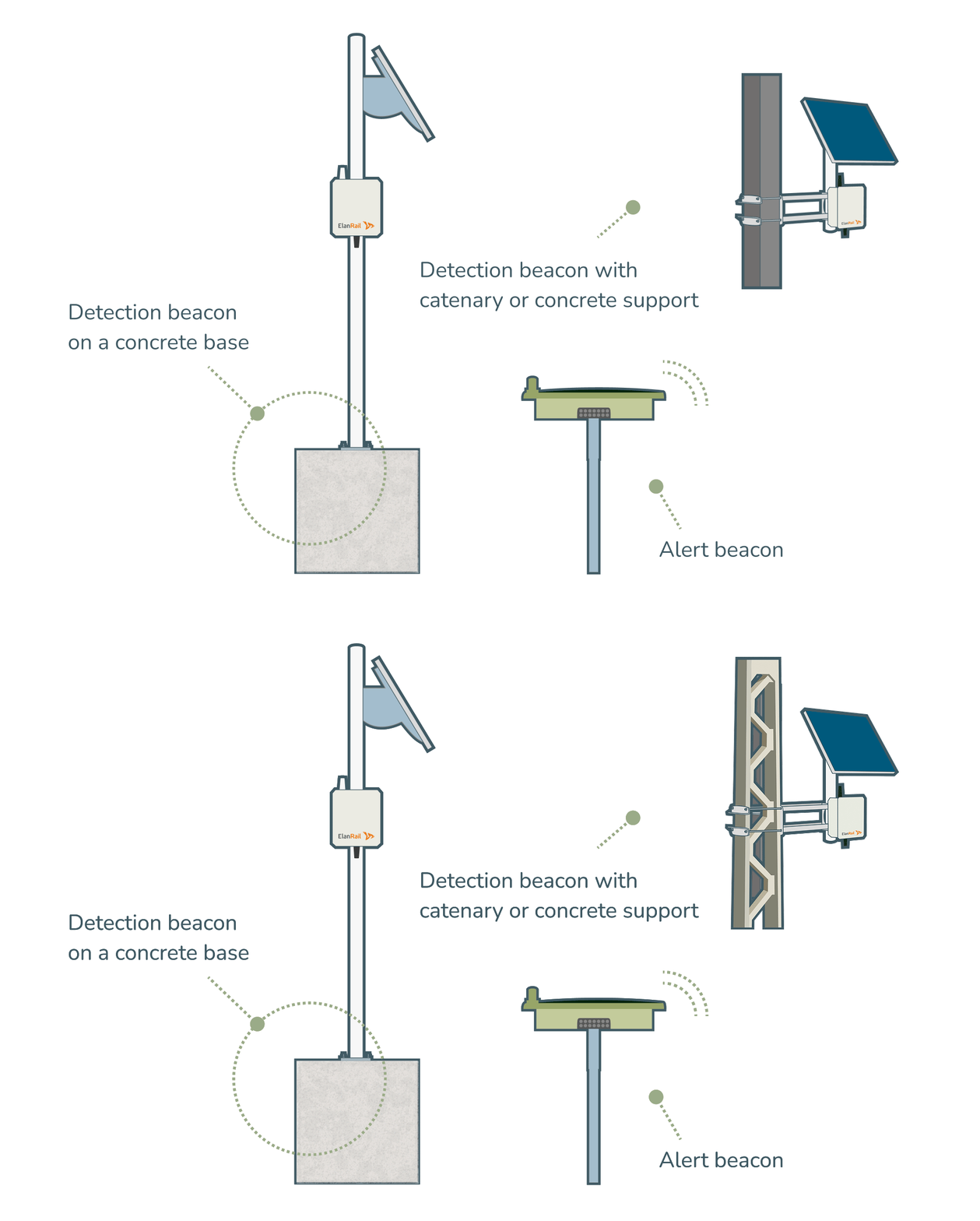
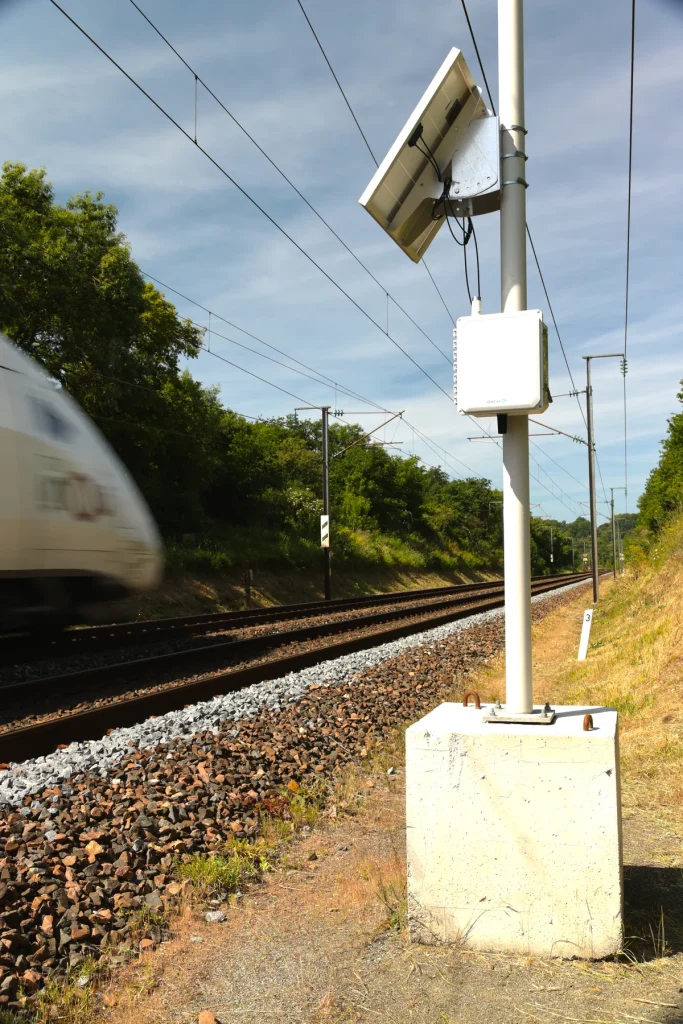
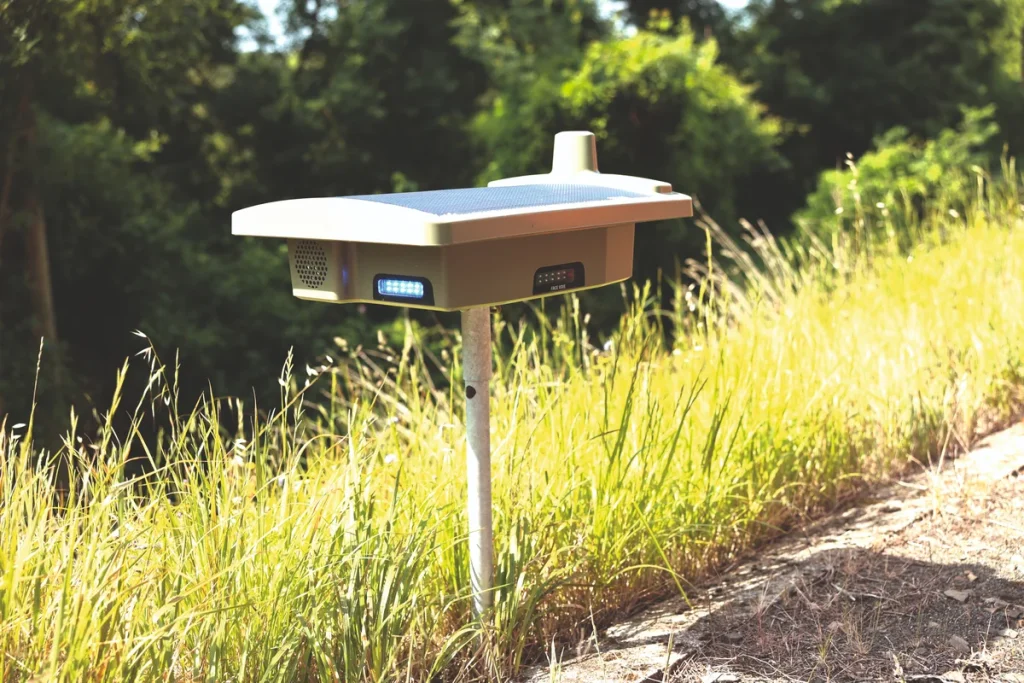
Blue Sentinel is simple to install and requires no specialist civil-engineering work. It consists of two main units:

  • A detection beacon, which can either be installed directly on the ground via its concrete base or ground-mounted on the catenary support.
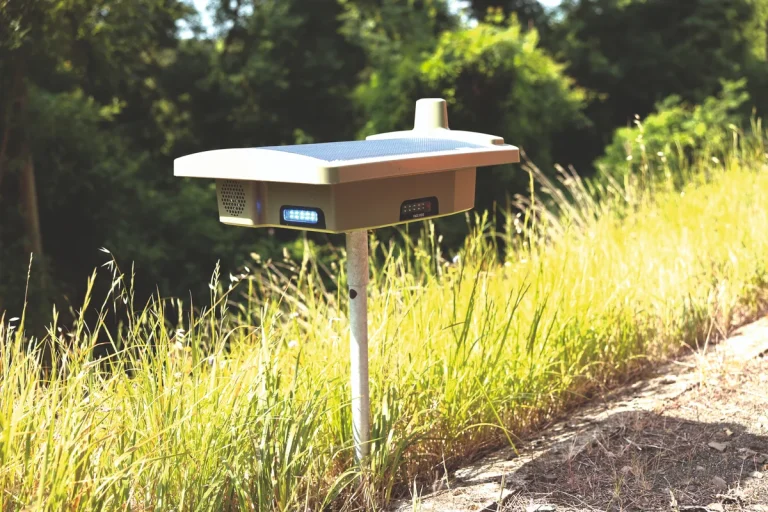
  • An alert beacon, planted in the ground.

Proudly made in France

Every Blue Sentinel unit is designed and manufactured in France, with ISO 9001-certified suppliers and end-to-end quality controls, so every installation performs to the same high standard.

Blue Sentinel illustration

Four key benefits

Four strengths that make Blue Sentinel a key ally for securing the rail network
while preserving the surrounding ecosystem.

Blue Sentinel Deterrent Tag

Robust

  • Safe, proven train-detection technology.
  • Low-visibility alert-beacon casings.
  • Materials built for harsh environments and designed to deter theft.
  • Responsive, readily available technical support.
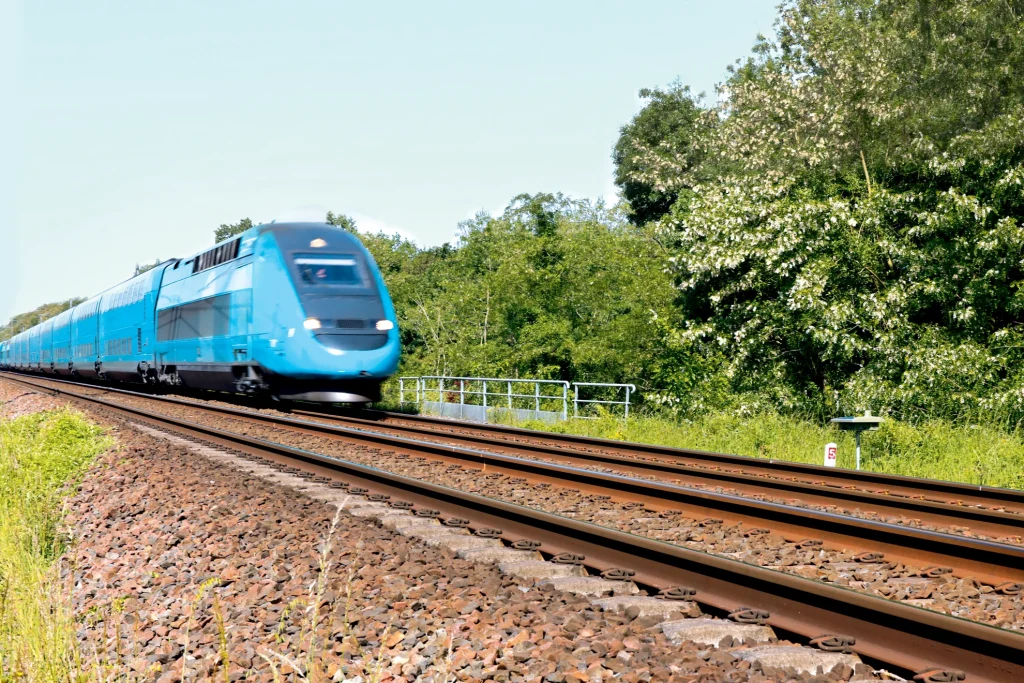
SNCF train

Reliable service

  • Smoother, more regular and uninterrupted traffic
  • Cost-effective from year one.
  • No disruption for train drivers.
  • An ecological and economical alternative to conventional solutions.

Respectful of wildlife

  • Guaranteed ecological continuity: an ethical, biodiversity-friendly approach.
  • No disturbance to local wildlife corridors, the system activates only as a train passes, with low-intensity deterrence.
  • Sound-alert levels configurable independently for each beacon.
  • A range of stimuli that keep wildlife responsive and prevent habituation.
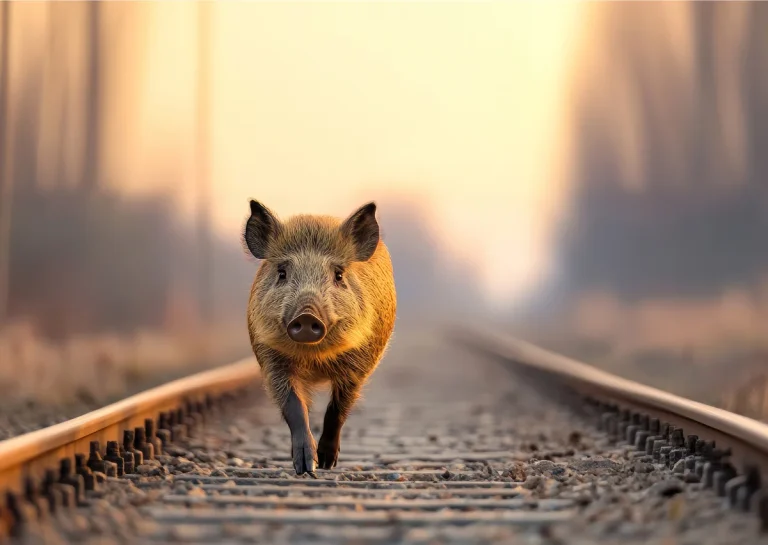
Wild boar

Simple to deploy

  • A connected, energy-autonomous beacon network: up to 200 train passages/day as standard, on solar power.
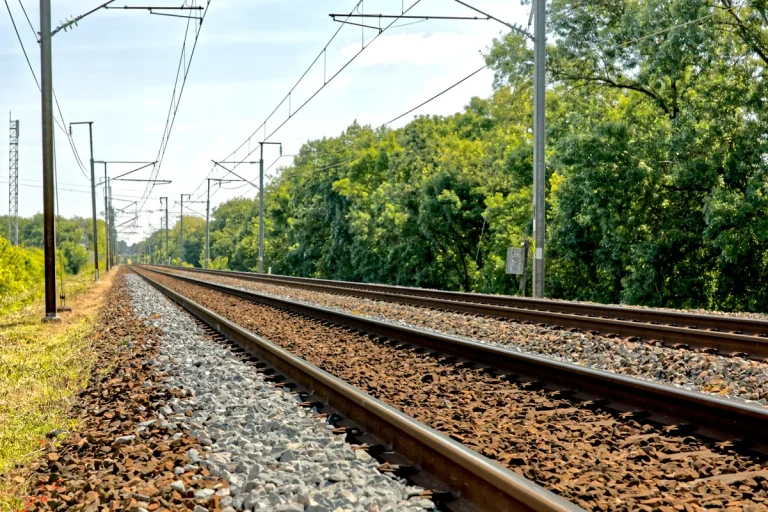
  • Simple installation: no civil works, no cabling, whatever the terrain: zero impact on rail infrastructure.
  • Adaptable to all environments: forest, mountain, wetlands, open fields.
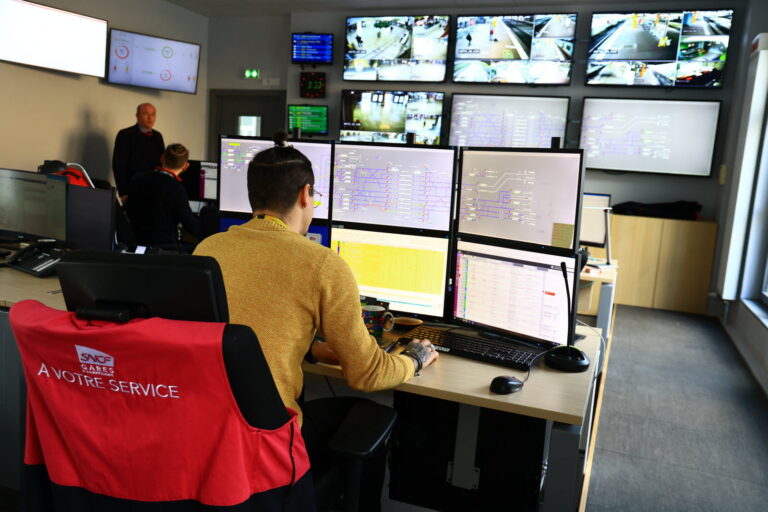
  • Easy, intuitive supervision via a dedicated web interface and mobile app.
SNCF Réseau
Copyright: SNCF

Blue Sentinel, the future of railway safety

"As wildlife populations grow and rail networks expand, the need for effective, non-invasive protection has never been greater. Blue Sentinel is built for that challenge."

Photograph of Michael Rublon
Michael RUBLON Head of ElanRail
Frequently Asked Questions

If you require any further information, please do not hesitate to contact us.

Does Blue Sentinel scare wildlife?

No. Blue Sentinel alerts wildlife — it does not scare it. The visual and audio signals are precisely calibrated to encourage animals to move away from the tracks as a train approaches, not to disturb them. Sound levels are deliberately kept low — nothing like the bird-scaring devices used in agriculture. Outside of train passages, the system stays inactive: wildlife can cross freely, wherever and whenever it wants.

Do the sounds disturb nearby residents?

No. Blue Sentinel only activates when a train is approaching. Sound levels are comparable to a conversation between adults, and can be adjusted beacon by beacon to suit the specifics of each site.

Isn't fencing along the tracks more effective?

The two approaches are complementary. On identified wildlife corridors, Blue Sentinel can even be a more relevant alternative to fencing: it preserves the natural continuity of wildlife movement, where fencing creates a barrier. In terms of total cost, it can also prove more economical — fencing requires regular vegetation clearance, whereas Blue Sentinel is solar-powered and needs no particular maintenance.

Was Blue Sentinel developed by SNCF?

No. Blue Sentinel is an innovation designed and developed by ElanRail, in partnership with SNCF Réseau Pays de la Loire. This collaborative work brought together field requirements and technical expertise to design a solution with no impact on railway infrastructure. Blue Sentinel underwent an 18-month trial conducted jointly with SNCF Réseau ahead of its commercial rollout. ElanRail is the one that deploys, installs and operates the solution — currently across several pilot sites throughout France, with a short-term goal of European expansion.

Is Blue Sentinel an expensive solution?

No. Deployment targets short sections — a few kilometres — where collision hotspots are most acute and the risk is well documented. In operation, the solution is cost-effective: solar-powered, requiring no significant maintenance, and installed trackside with no impact on existing railway infrastructure. It can also be operated remotely via a dedicated app for easier maintenance.

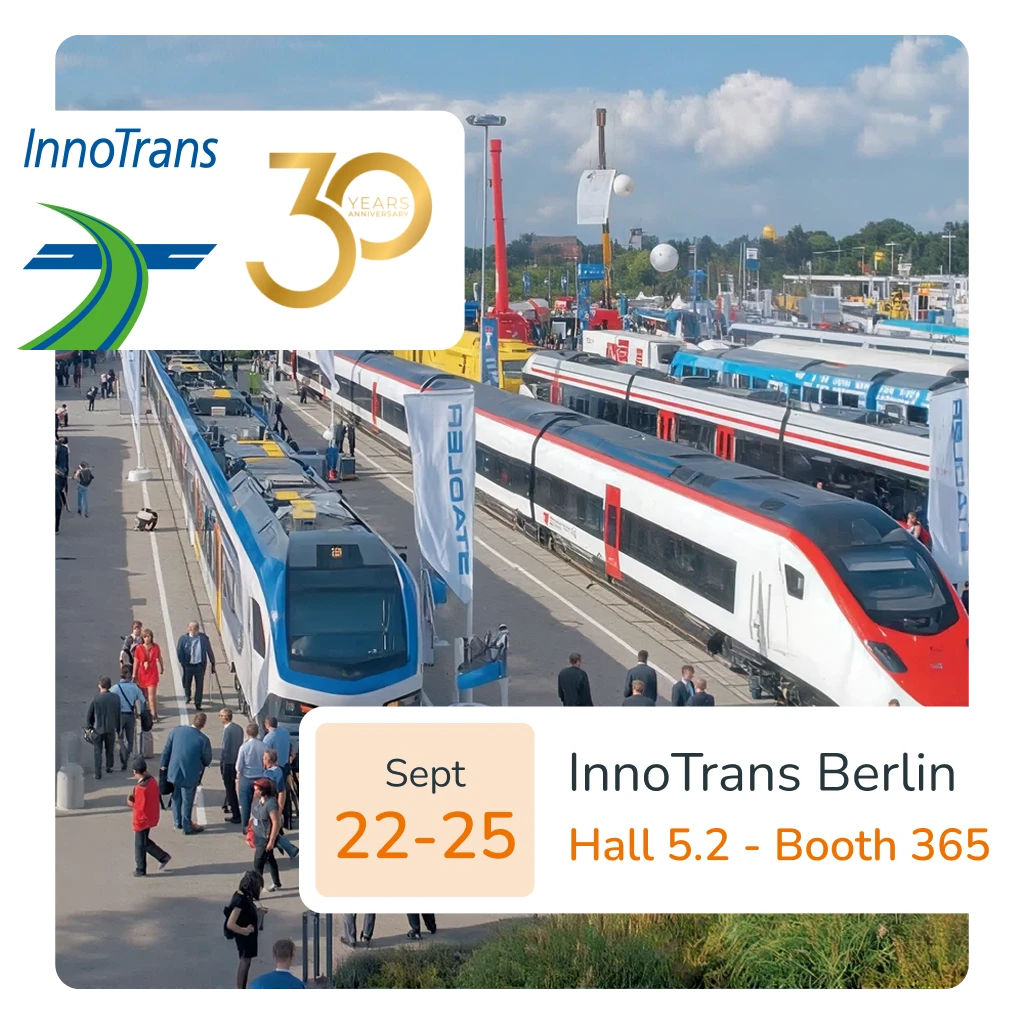
InnoTrans trade fair 2026
Meet us at InnoTrans 2026
Discover Blue Sentinel at our immersive booth at InnoTrans, the world's leading event for the rail industry.